Renewable Energy Indonesia

Who We Are

Advancing Indonesia’s sustainable energy future through renewable energy advocacy and collaboration.

Who We Are

A national forum for renewable energy development in Indonesia.

Connecting stakeholders across sectors to accelerate a sustainable energy transition.

The Indonesian Renewable Energy Society (METI/IRES) is a non-profit organization established on May 11, 1999, initiated by intellectuals, government officials, private sector representatives, and professionals concerned about the continued reliance on fossil fuels and its impact on environmental sustainability and national energy security.

METI serves as a national platform bringing together scientists, educators, regulators, business developers, NGOs, renewable energy associations, and other stakeholders to exchange ideas and address strategic and practical issues related to renewable energy development and utilization in Indonesia.

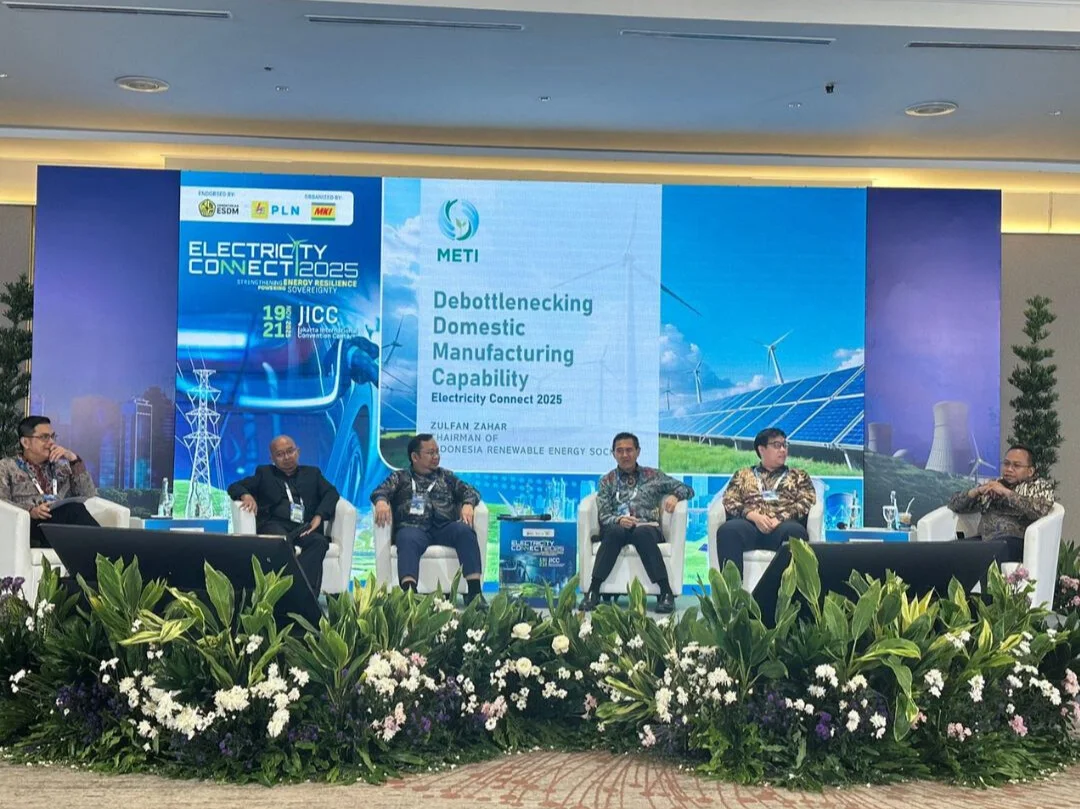
METI multi-stakeholder forum

Multi-stakeholder dialogue on renewable energy transition

Established

May 11, 1999

Organization Type

Non-Profit Organization

Focus

Renewable Energy Advocacy & Development

Why We Exist

Responding to Indonesia’s energy and environmental challenges.

METI was founded out of concern over fossil fuel dependency and the recognition of Indonesia’s vast yet underutilized renewable energy potential.

The Challenge

Unabated fossil fuel consumption has accelerated environmental degradation, increased greenhouse gas emissions, and posed risks to national energy security. At the same time, Indonesia possesses abundant renewable energy resources that remain significantly underdeveloped.

Our Response

METI is committed to serving as an independent and credible forum that promotes evidence-based policymaking, strengthens cross-sector collaboration, and advocates for the sustainable development and utilization of renewable energy for present and future generations.

Our Role

Bridging policy, knowledge, and collaboration to accelerate renewable energy.

As a national multi-stakeholder platform, METI plays a strategic role in supporting Indonesia’s energy transition.

01

National Forum

Providing an inclusive platform for dialogue among academia, government, industry, and civil society to address strategic and practical renewable energy issues.

02

Knowledge Hub

Facilitating the exchange of research, technological innovation, and best practices to support informed and evidence-based decision-making.

03

Policy Advocate

Actively contributing to public discourse and providing recommendations to government and legislative bodies on policies and regulations that encourage renewable energy investment and development.

04

Ecosystem Builder

Strengthening human resource capacity, socio-economic frameworks, and technology adoption to support the broader utilization of renewable energy.

Impact

Contributing to Indonesia’s renewable energy transition for over two decades.

Since its establishment, METI has consistently engaged in policy advocacy, strategic dialogue, and collaborative initiatives to accelerate renewable energy development at both national and global levels.

1999

Established

25+

Years of Advocacy

300+

Members & Institutions

Nationwide

National Multi-Stakeholder Platform

National Presence

Strengthening renewable energy across Indonesia.

METI fosters cross-provincial collaboration to advance policy dialogue, knowledge exchange, and joint initiatives supporting renewable energy development nationwide.

12+

Provinces Engaged

300+

Members & Institutions

25+

Years of Advocacy

Vision

To become a trusted and effective platform for renewable energy development in Indonesia.

METI envisions becoming a sustainable and credible forum that continuously promotes the development and utilization of renewable energy to meet national energy needs while contributing to global efforts in addressing climate change.

Mission

Driving advocacy, promotion, and development of renewable energy.

01

Promote the development and application of efficient and effective renewable energy technologies.

02

Enhance the quantity and quality of human resources and strengthen the renewable energy industry ecosystem.

03

Advocate policies and regulations that encourage investment and widespread adoption of renewable energy.